Athletic
Development for Young Athletes.
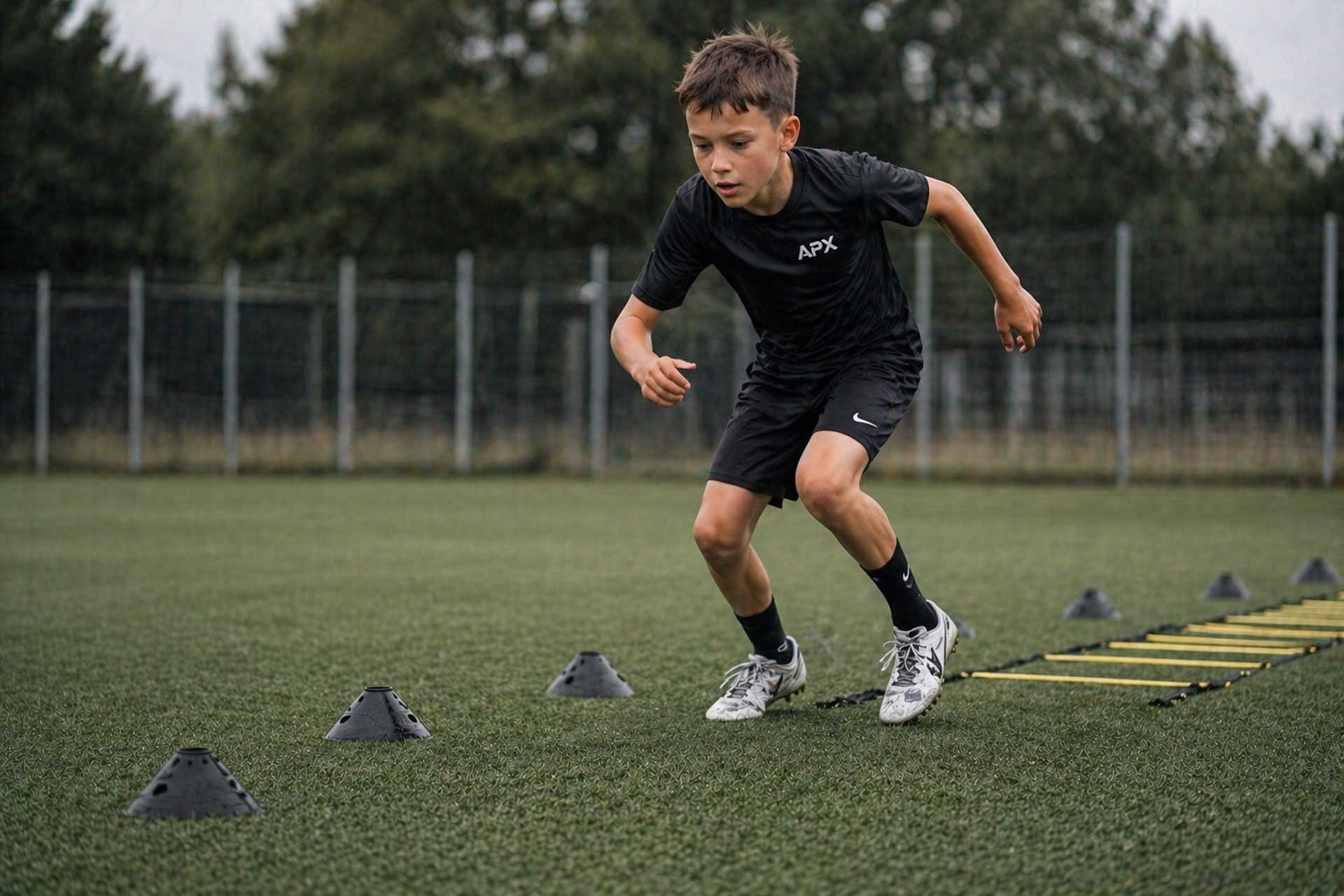
Age-appropriate athletic training for children and young people aged 10 to 23 and ambitious amateur athletes. With a focus on long-term performance development – safe, structured, and a meaningful complement to club training.
The first step is always an honest assessment – not a training subscription.
More training does not automatically mean better performance.
Young athletes train a lot today. Club training and increasing intensities have long been part of everyday life. What is often missing is a structure that meaningfully connects development, growth, and load. Athletic training is not a substitute for club training and not a fitness program. When used correctly, it is a developmental process that makes young athletes more stable, coordinated, and capable of long-term performance.
"Development needs structure – not chance"
I support young athletes in building their athletic skills step by step. The focus is on clean movement patterns, age-appropriate load management, and a training structure that is guided by individual developmental status – not by age on paper. Performance does not come from short-term exhaustion. It comes from quality, patience, and a clean interplay of training, nutrition, mindset and regeneration.
Who this training is for.
My program is aimed at children and young people between 10 and 23 years old, as well as ambitious athletes. Especially in team sports like football or ice hockey, but also in combat sports, athletic training meaningfully complements sport-specific training.
"It's not about training more, but better"
Athletic training with a clear focus.
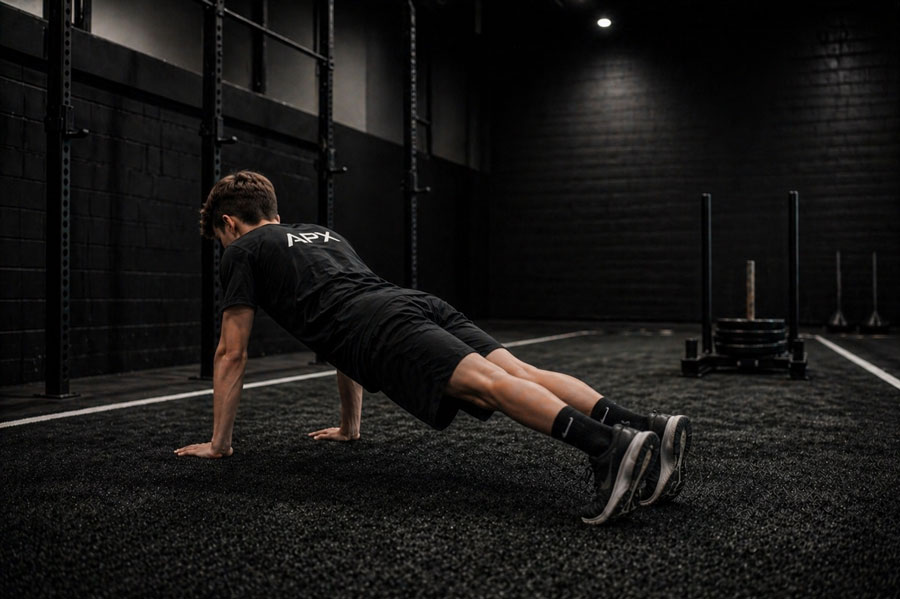
During developmental age, the focus is on movement, coordination, and stability. With increasing age and training maturity, specific content such as strength development, speed, and explosiveness are added. Everything builds upon itself and is oriented towards the athletic reality of the athletes. The ideal entry point is an Athletic Check. This allows for an assessment of an athlete's current standing and what next steps make sense – without pressure or obligation.
My Main Programs
Athlete
Development
Systematic athletic development with a focus on movement quality, basic strength, and age-appropriate load management.
- Mobility & Stability
- Movement Control
- Coordination
- Speed Basics
Performance Coaching & Training
Performance-oriented development for ambitious athletes. Structured, block-based, individually progressive.
- Sprint & Explosiveness
- Strength Development
- Periodization
- Re-Test & Classification
Athletic
Check
The status assessment as an ideal entry point. Movement, basic performance, brief evaluation, clear recommendation. No obligation.
- ~60 Minutes
- Movement & Basic Performance
- brief evaluation
- clear recommendation
Why my work
is different.

As a certified Athletic Performance Trainer, I don’t work with standard programs or gym logic. Especially during adolescence, athletic training means responsibility. Load must be classified, development protected, and training meaningfully managed.
"For me, athletic training is not a short-term performance test, but long-term guidance"
Former Head of a Martial Arts School in Thailand
A word to parents.
"Safety and performance are not mutually exclusive – they belong together."
Many parents wonder if athletic training during growth is beneficial or if additional sessions might be too much. These questions are legitimate. Properly structured athletic training considers growth, recovery, and existing club load.
Athletic training complements sport-specific training and creates space for fundamental skills often neglected in team or combat sports. There are no guarantees for selections or careers – but a solid foundation certainly exists.
Frequently Asked Questions
At what age is athletic training beneficial?
Athletic training depends more on developmental stage than age. From about 10 years old, children can be introduced to age-appropriate movement, coordination, and stability. Content is then progressively expanded and structured as they get older.
Is strength training dangerous during growth?
No – provided it’s performed correctly under guidance and adapted. Technique, control, and appropriate load are crucial. Uncontrolled training can be problematic, but professionally structured strength training supports stability and injury prevention.
Isn't the additional training too much?
Athletic training complements club training. Load is consciously managed and adapted to the individual’s developmental stage. The goal isn’t to add training hours, but to improve quality.
Do parents need to be present during training?
For athletes under 16, the presence of a parent is expressly desired. This creates transparency and prevents misunderstandings.
During training, however, it’s important for parents to take an observing role. I lead and structure the training. Support with setup or active intervention is not necessary.
For athletes over 16, presence is certainly possible but not mandatory.
Are there guarantees of success?
No. Development cannot be guaranteed. What I do guarantee is structured, responsible training with clear classification and honest communication.
What does the training cost?
Costs depend on age, training scope, and setting. Details will be transparently explained in a personal consultation. You can find more info on my services and prices here.
Clarity begins
with a conversation.
"Honest assessment
instead of assumption"
Whether it's about a first introduction or targeted performance development – the first step is always a personal conversation. In a free initial consultation or as part of an Athletic Check, we will jointly clarify whether athletic training is currently beneficial.