The coach behind the training
Focus on development. Performance as a result.
To me, athletic training means responsibility. Especially when working with children and teenagers, it’s not just about performance, but about development, health, and perspective. My goal is to support young athletes so they can achieve their personal sporting goals—regardless of whether those goals lie in elite sports or not.
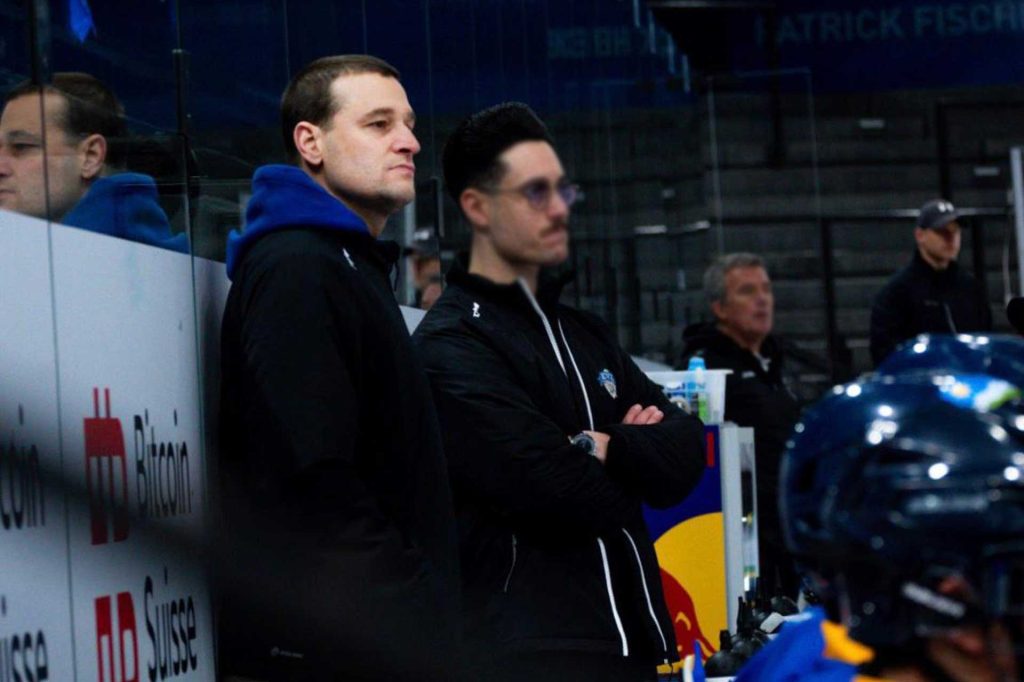
Development instead of self-promotion
The athlete is always at the center of my work, not the coach. I don’t want to be a trainer who defines himself through spectacular sessions or particularly “tough” workouts. What matters is not how a training session looks, but what it achieves in the long term.
Athletic training should noticeably advance young athletes—in a structured, meaningful, and sustainable way. Development always comes before show.
Why I work with teenagers
Teenagers are in a decisive phase. Physical growth, increasing training volumes at their clubs, and initial performance-related decisions often happen at the same time. This is exactly where athletic training can make a big difference—if it’s used correctly.
My aim is to develop children and teenagers athletically so that they are either prepared for a possible career in competitive or elite sports, or develop into well-rounded, robust athletes—even without elite sports ambitions. Both are equally valuable.
My approach
I don’t work with standard programs or the principle of “more is better.” Training is individually adapted, built up in an age-appropriate way, and meaningfully integrated into daily sporting life. Clean movement quality, controlled loading, and a clear structure form the foundation of my work.
Performance doesn’t come from short-term intensity, but from consistent, clean development.
Sporting background
I played ice hockey actively for many years and know the demands of team sports from my own experience. Additionally, I have been and still am active as an ice hockey and football coach. This perspective helps me embed athletic training into daily club life in a realistic and practical way.
In addition to team sports, combat sports in particular have shaped my view of movement, discipline, and holistic athletic development. For several years, I co-managed a combat sports school in Thailand, where I trained children, teenagers, and adults. The requirements for body control, stability, power, and mental clarity in Muay Thai consciously flow into my work today.
Collaboration with parents and clubs
Transparency is crucial, especially in youth sports. I value open communication with parents and—where appropriate—with club coaches. Athletic training works best when the workload is realistically assessed and managed together.
It’s not about adding extra training hours, but about providing qualitative support for existing training.
Clear values
Long-term development, responsibility in youth training, and honest assessments are important to me. Training at any cost, short-term promises, or self-staging are not my approach. Athletic training is not an ego project, but developmental work.
The next step
If you’re looking for a partner who takes development seriously and understands performance as a result, a personal conversation is worth it.